Weddings
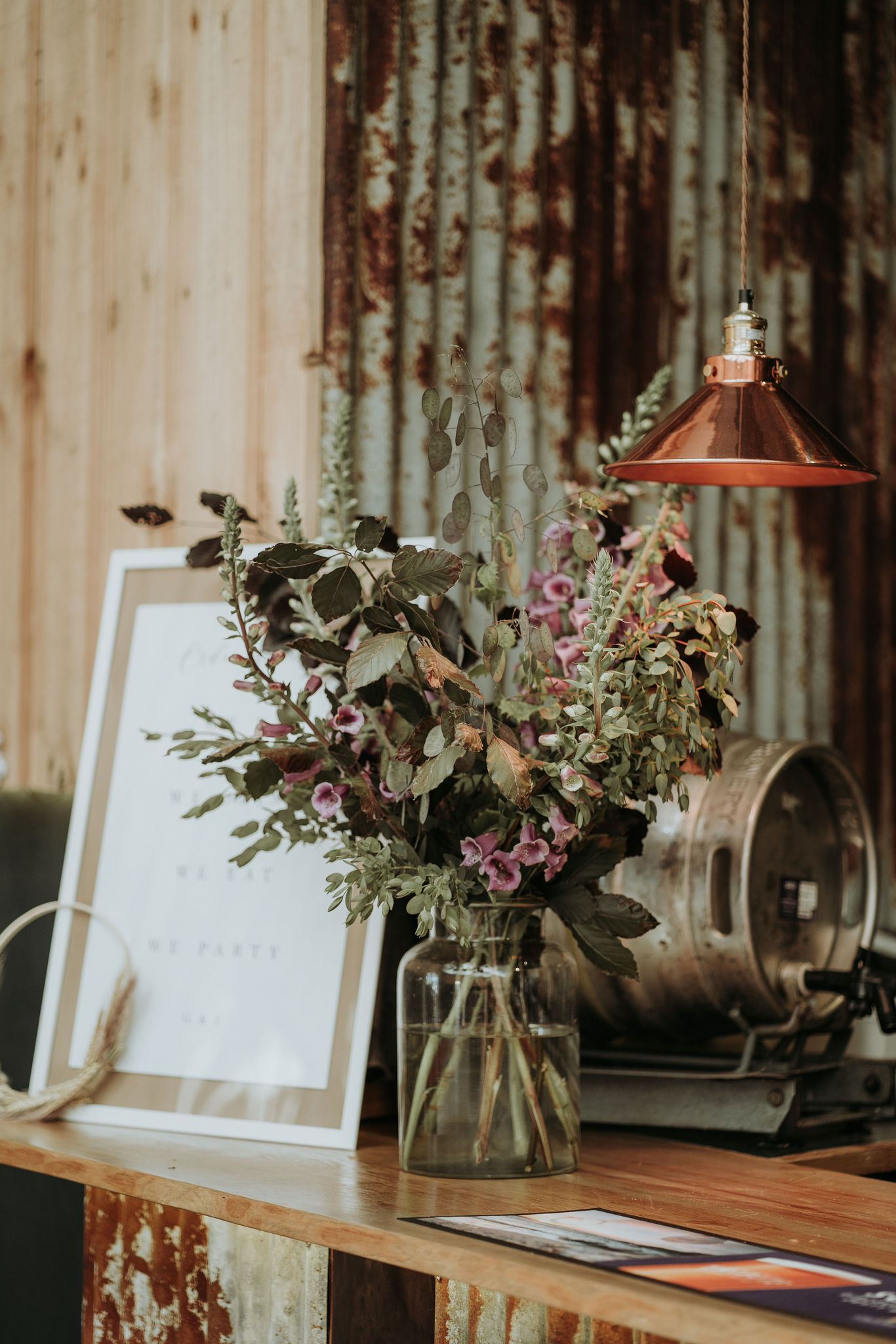
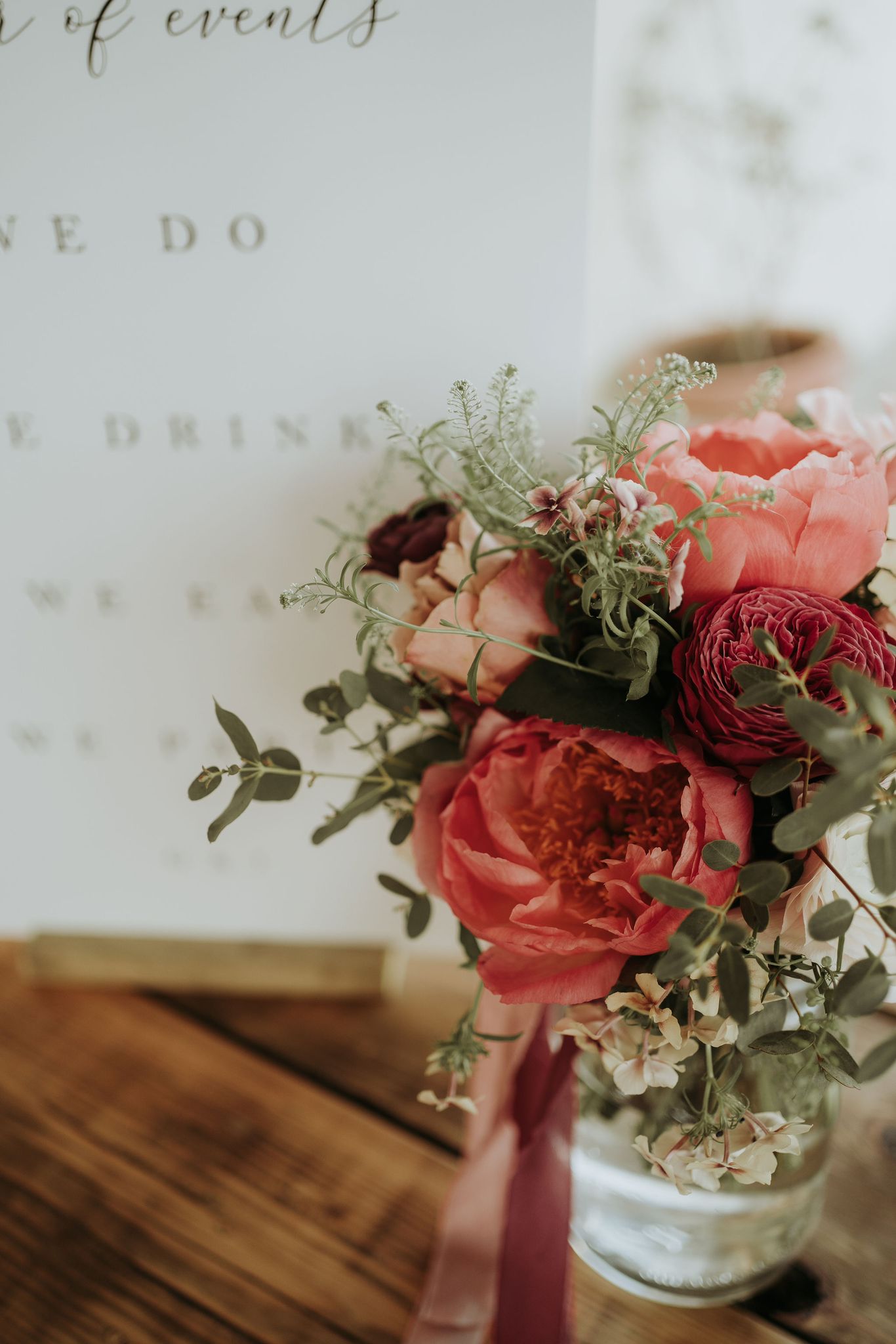
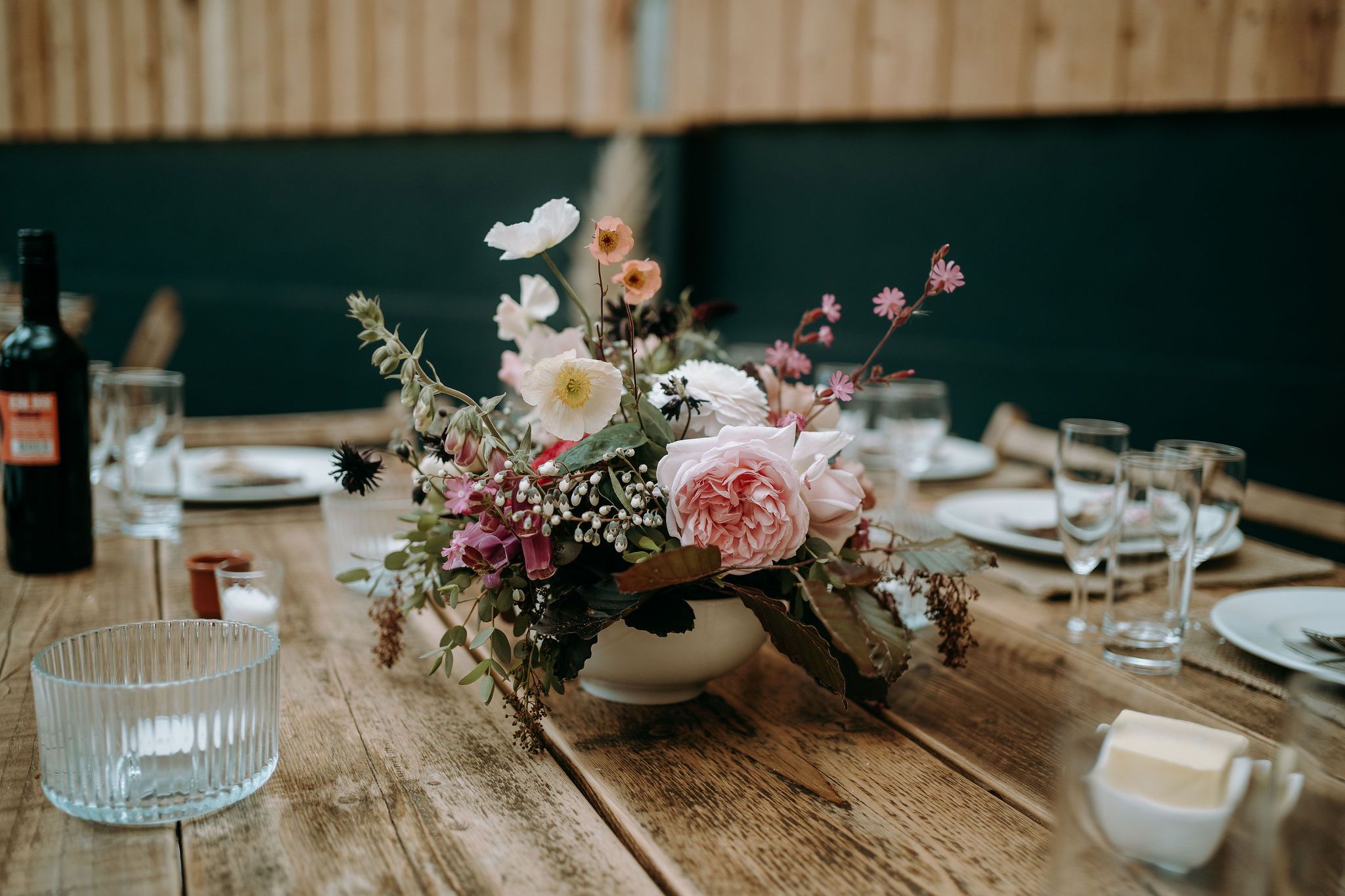
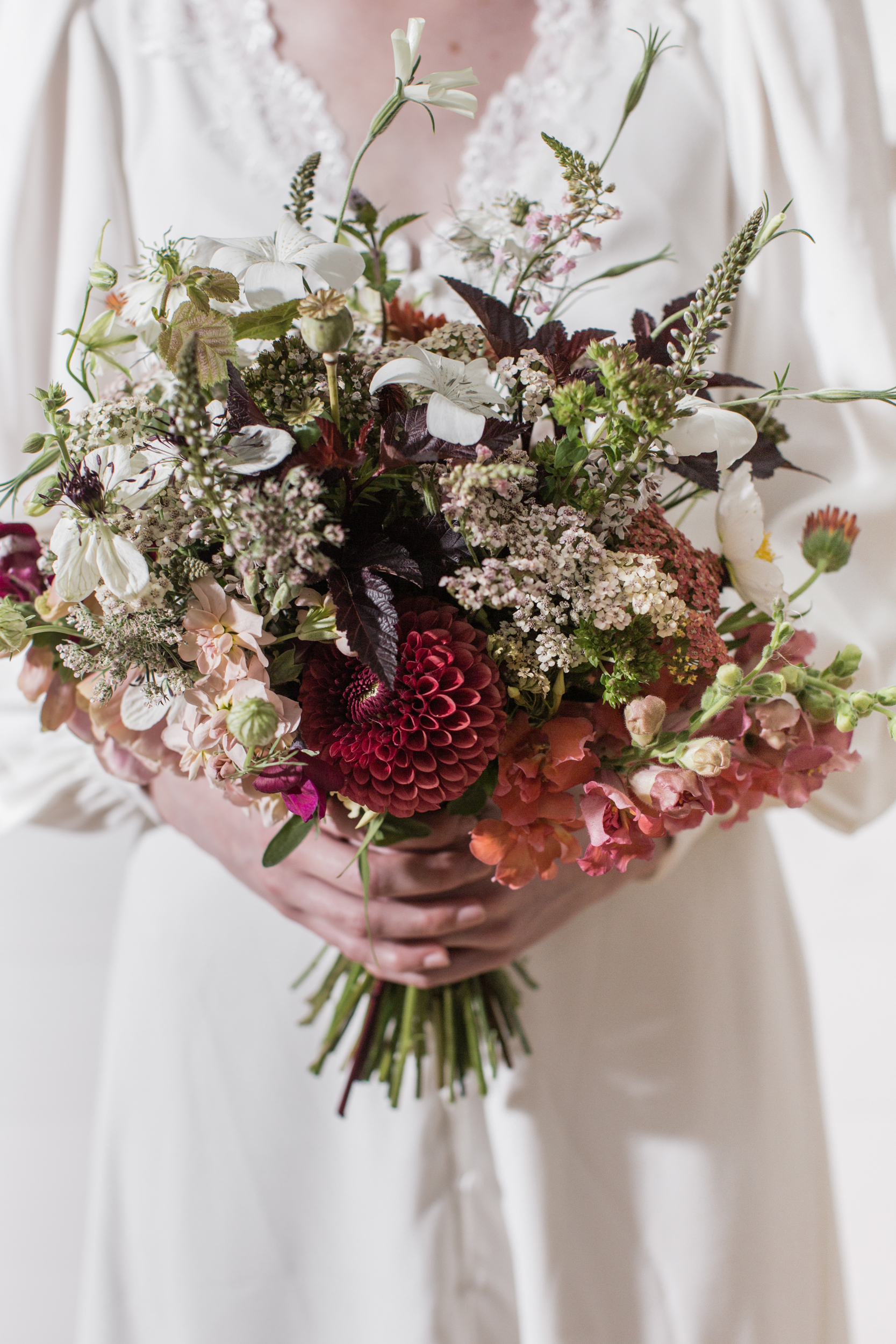
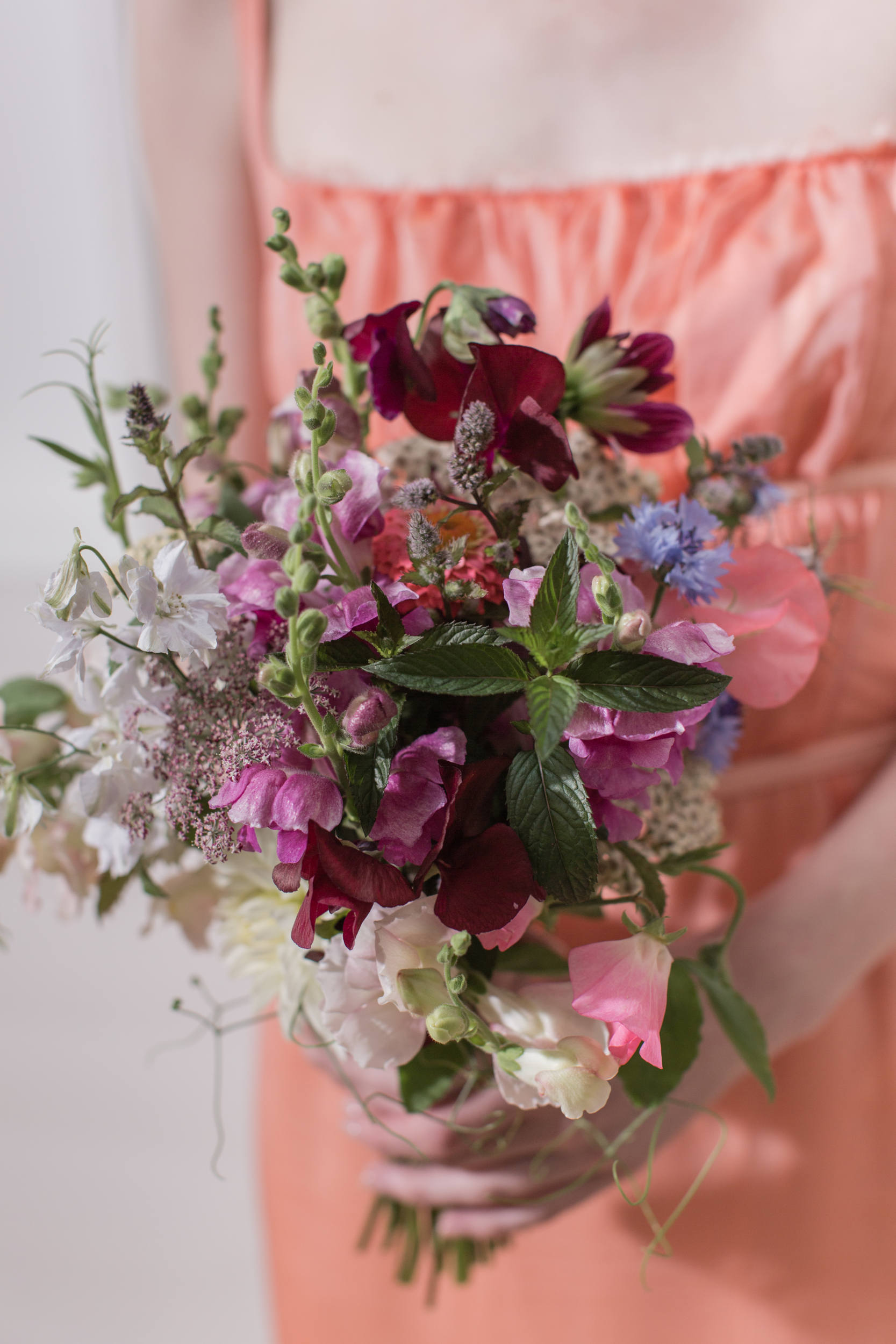
I create natural, seasonal wedding flowers inspired by the beauty of the local landscape. Using locally grown flowers wherever possible, I take a sustainable approach to floristry, designing relaxed and romantic arrangements that reflect each couple's unique style and story.
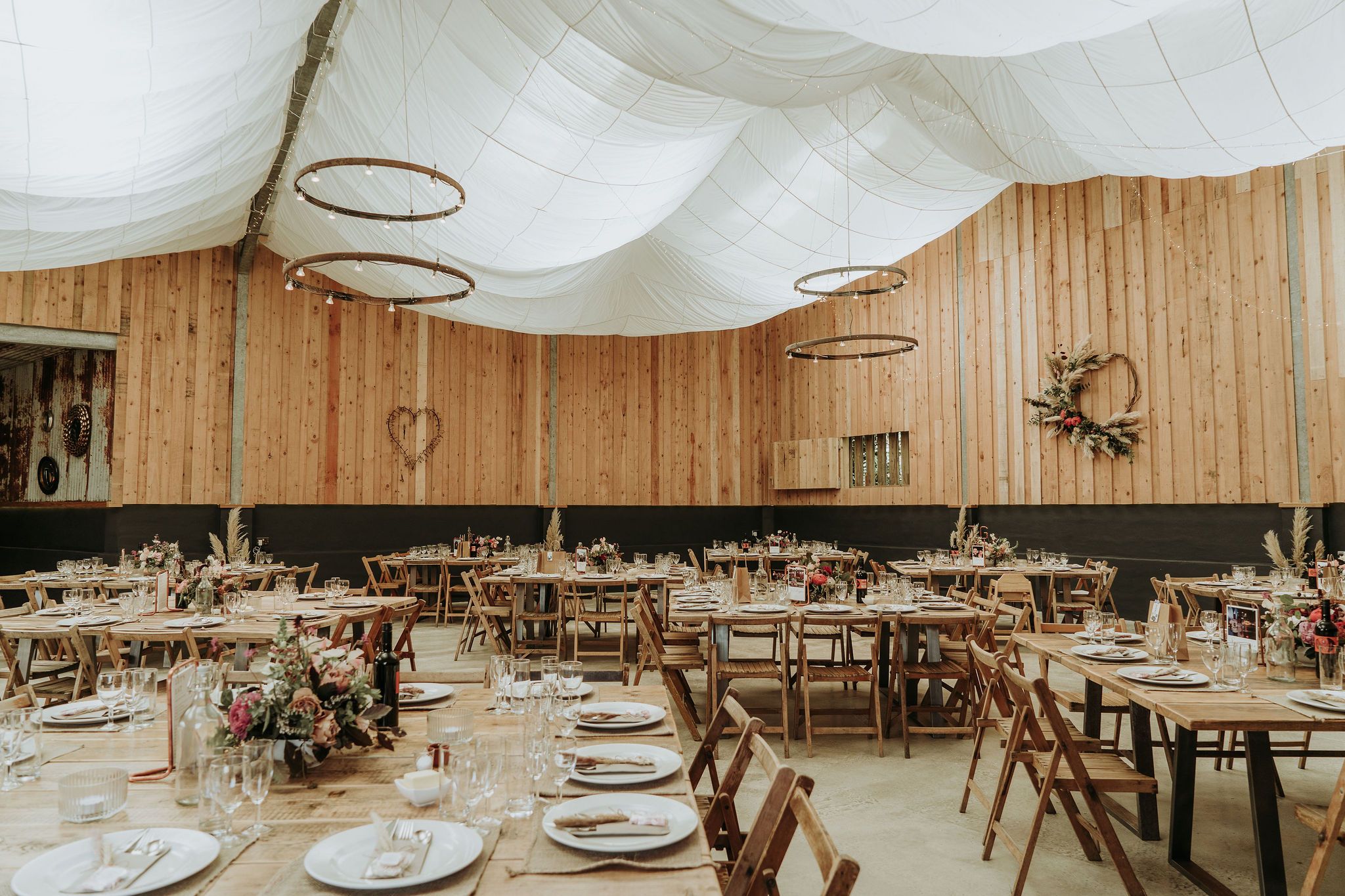
From bridal bouquets and buttonholes to full wedding styling, I offer bespoke wedding flowers for celebrations of all sizes, including intimate weddings and elopements. Every design is thoughtfully tailored to your vision, creating timeless wedding flowers that feel personal, beautiful, and perfectly suited to your day.
Funerals & Memorials
Celebrating a life with flowers is an honour. i create natural, seasonal funeral flowers that honour a life with beauty, care, and sensitivity. I specialise in family-led funerals, offering loved ones the opportunity to be involved in the floral arrangements, creating a personal and meaningful celebration of life.
Using seasonal flowers and natural materials, each tribute is thoughtfully designed to reflect the individuality, memories, and story of the person being remembered.
Styling & Events
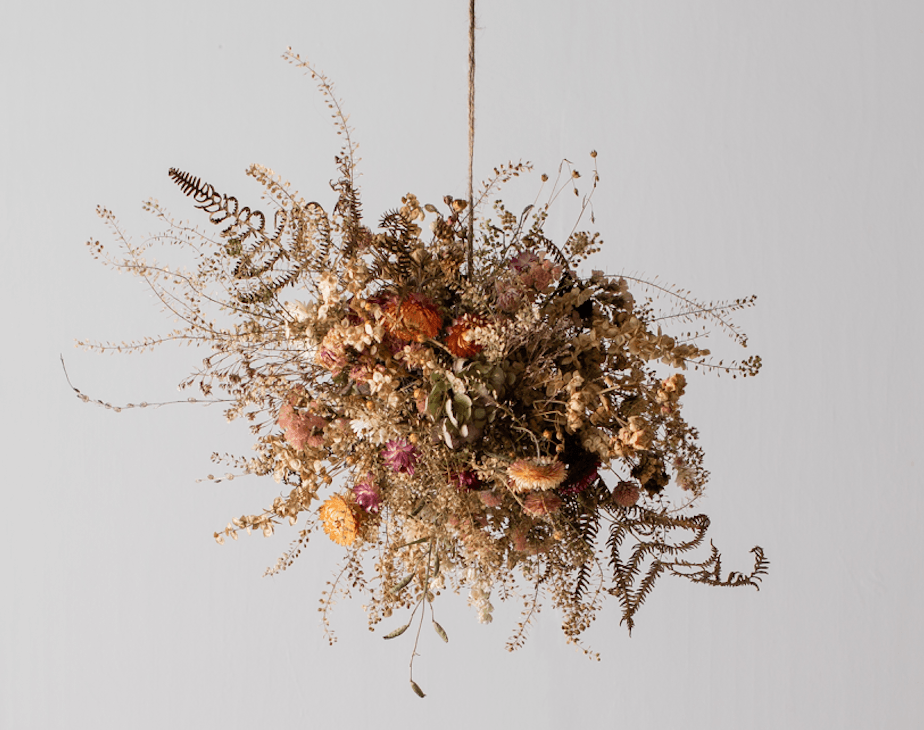
Creating floral designs for celebrations, special occasions, and events is my passion. With a background in merchandising and hospitality management, each arrangement is thoughtfully considered and designed using fresh or dried seasonal blooms.
Alongside private and commercial commissions, I have provided floristry for television and creative productions, including work featured in the TV series Bergerac. Whether for a celebration, retail space, or creative project, my floral designs are a reflection of your brief.
Floral Workshops offer the chance to slow down and connect with nature.